PatentExpertWitnesses

Scott Steinberg · Consultant, IP Analyst and Business Strategist

Patent Expert Witness Services: Testimony and Analysis

Patent cases carry a commercial dimension that technical testimony alone does not reach: what the market was already doing at the priority date, whether success followed the invention or the marketing, and what a licence would have been worth to a willing party. A consultant to 3000+ brands, Scott Steinberg offers insight and perspective.

Expert reports, declarations, deposition and trial testimony on commercial context, state of the art, secondary considerations, licensing practice and reasonable royalty inputs.

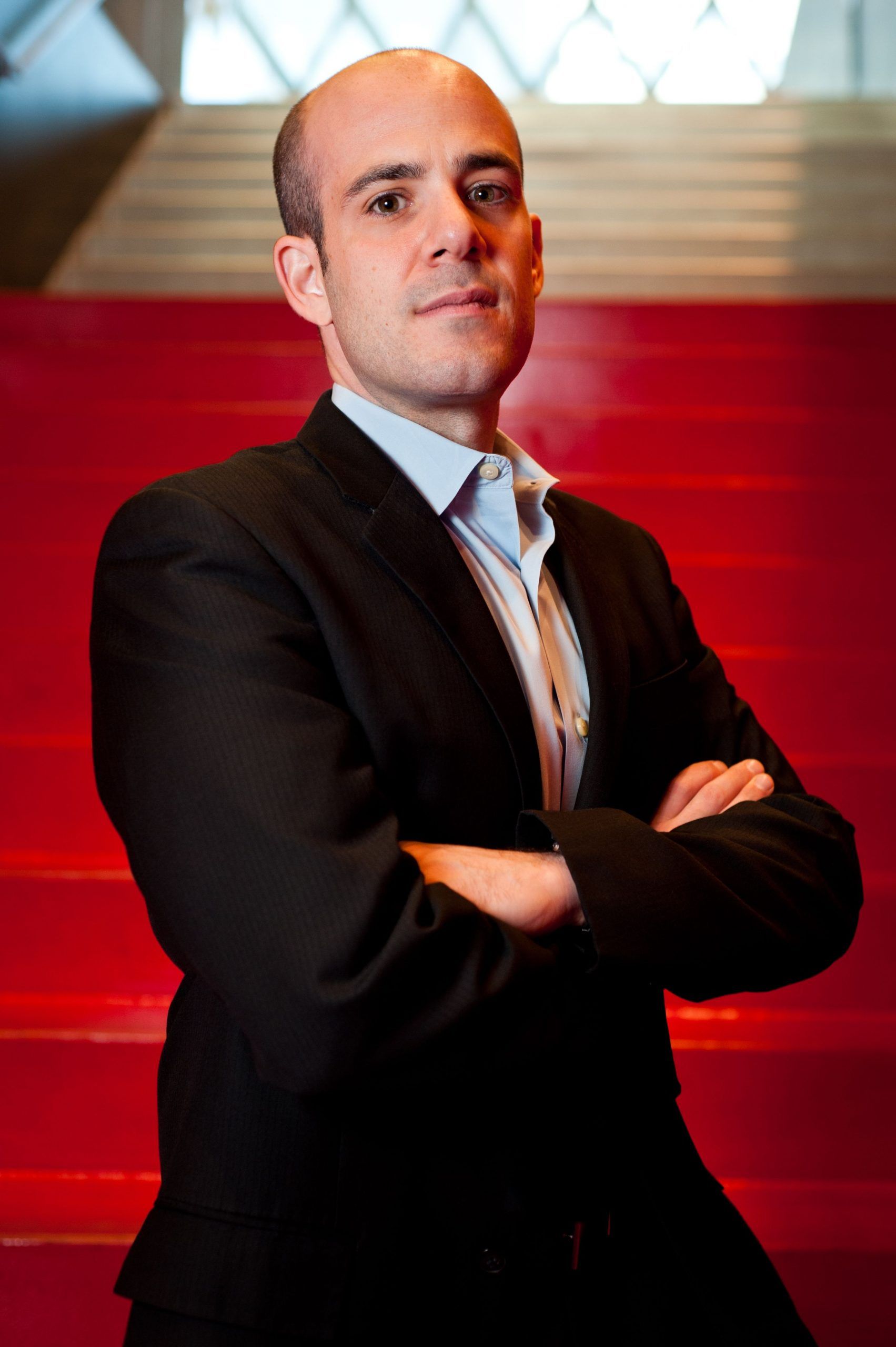
Scott Steinberg, patent expert witness and business strategist
Scott Steinberg — patent expert witness, IP consultant, analyst and business strategist
3,000+
Businesses, startups, governments and Fortune 500 companies advised
25 years
Management, corporate governance and strategic consulting experience
30+
Books published on technology, marketing, business and innovation
5,000+
Published articles as seen in USA Today, CNN, ABC, NBC, TODAY Show

Patent expert witness practice areas

Sample areas of coverage include patents and the market around them: what existed commercially, what drove demand, and what the parties would have bargained for.

Commercial state of the art

What existed in the market at the priority date is a factual record: shipping products, published documentation, trade press coverage, conference material and marketing collateral from the period.

Assembling that record shows what practitioners were actually doing, as distinct from what the patent literature describes, and it frequently reaches material a prior art search alone does not surface.

Secondary considerations of non-obviousness

Commercial success, long-felt need, failure of others, industry praise, copying and unexpected results are commercial facts before they are legal factors, and each has its own evidentiary trail.

Testimony assembles that trail from sales and adoption data, trade coverage, competitor behaviour and the documented history of attempts in the field.

Commercial success and nexus

Commercial success only carries weight where it ties to the claimed feature rather than to price, distribution, brand or promotion. Establishing or defeating that nexus is a market question.

The analysis separates the contribution of the patented feature from everything else a product had going for it, using launch data, feature-level demand evidence and competitive context.

Licensing and royalty practice

Reasonable royalty analysis rests on what licensing looks like in the actual industry: comparable agreements, customary rate structures, cross-licensing norms and how portfolios are ordinarily valued.

Testimony supplies those market facts and assesses comparability, which is the input a damages expert builds the calculation on rather than something the calculation supplies itself.

Design-around feasibility and alternatives

Whether acceptable non-infringing alternatives existed, and what they would have cost in time, money and market position, bounds both damages and injunction analysis.

This work assesses what competitors in the market actually did, what redesign would have required commercially, and whether the alternative was genuinely acceptable to buyers.

Market demand and adoption evidence

Damages theories depend on why buyers bought: which features drove selection, how the category adopted the technology, and what share the accused functionality plausibly accounts for.

Testimony draws on adoption curves, feature prioritisation evidence, competitive positioning and category dynamics over the damages period.

Practitioner practice in the field

Obviousness turns partly on what someone working in the field would have regarded as ordinary. Commercial practice is direct evidence of that, and it is often better documented than the technical literature.

Testimony describes what practitioners routinely did, what tools and approaches were standard, and what the field treated as a matter of course at the relevant time.

Portfolio and business context

Matters frequently involve why a portfolio was assembled, how it was used commercially, what an acquisition was priced against, and how the parties positioned the technology in the market.

That context bears on valuation, on damages framing and on the commercial story a jury is asked to accept.

How engagements are structured

Commercial state of the art evidence is scattered across trade press, product documentation and archived material, so early retention materially changes what can be assembled.

Expert reports and declarations

Written opinions on commercial state of the art, secondary considerations and licensing practice in the field.

Deposition and trial testimony

Testimony on what the market was doing at the priority date and what drove demand for the accused product.

Rebuttal and methodology review

Responsive analysis of comparability assumptions, nexus arguments and design-around claims.

Consulting-only support

Non-testifying assembly of commercial prior art, adoption evidence and licence comparables.

Biography

Scott Steinberg is an analyst, consultant and business trends expert with over 25 years of experience providing management and strategic consulting services to more than 3,000 businesses and brands ranging from startups to government agencies and Fortune 500 firms.

He has testified in sample areas including intellectual property — copyrights, trademarks and patents — patent infringement, marketing, branding, video games, mobile applications, consumer product development, and the growth and monetization of online distribution platforms.

He is the author of over 30 books and has published more than five thousand articles addressing areas including but not limited to marketing, technology, leadership, innovation, advertising, digital transformation, data privacy and social networks. He appears regularly on ABC, CBS, CNN and NBC, and has led seminars and training programs for organizations including Wells Fargo, the PGA Tour, Century 21, Ford, Dell and Procter & Gamble.

His consulting work has been broadly recognized. He has served as a thought leader for the American Bar Association and Corporate Counsel magazine, and has received honors from the International Association for Scholastic Excellence, Fortune, and the 21st Century Icon Awards, among others.
Common questions from counsel

What does a patent expert witness address?

Everything from the commercial dimension of a patent case to claim construction and technical infringement analysis: what the market was doing at the priority date, whether commercial success ties to the claimed feature, what licensing in the industry customarily looks like, and whether workable alternatives existed, etc.

How does certain providers differ from a technical expert?

A technical expert maps claims to accused products and addresses enablement and technical prior art. A commercial and industry expert might supply the market record: shipping products at the priority date, adoption evidence, comparable licences, and the secondary considerations. Cases frequently need both.

What are secondary considerations and why do they need an expert?

They are commercial facts bearing on non-obviousness: commercial success, long-felt need, failure of others, industry praise, copying and unexpected results. Each may require an evidentiary record drawn from sales data, trade press, competitor behaviour and the documented history of attempts in the field.

Does this work replace a damages expert?

No. It supplies inputs a damages expert relies on. The comparability of licence agreements, the existence and cost of design-arounds, and the feature-level drivers of demand are market questions that sit underneath the calculation rather than inside it.

When should this kind of expert be retained?

During discovery, ideally. Commercial state of the art evidence is scattered across trade press, product documentation, archived marketing material and third-party records, much of which has to be sought deliberately. Retention after expert disclosure narrows what can realistically be assembled.

Discuss a matter

Initial conversations about scope, timing and conflicts are without charge. Helpful detail includes the patents at issue, the priority date and any expert disclosure deadline already set.

Telephone
Availability
Engagements accepted nationwide and internationally

Before you send case detail

A conflicts check is run before any substantive discussion. An initial note listing the party names and a one-line description of the dispute is enough to start; please hold privileged or confidential material until the check clears.